Once everything is set up, Program A Car Computer With A Laptop we’ll show you how to load an easy-to-follow programming software onto your laptop. With a bit of practice, you’ll be able to take control of all your car’s functions in no time at all!
If you’re interested in learning how to program your car’s computer, there are a few things you’ll need before getting started. First and foremost, you’ll need a laptop and a programming cable.
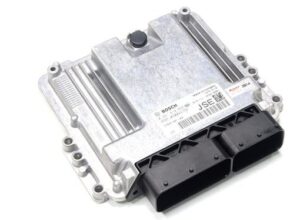
You can find a programming cable at any electronics store or online. Once you have the cable, connect it to your laptop and the car’s computer.
It is now possible to program and customize various aspects of your vehicle using just a laptop.
Whether you are a car enthusiast looking to enhance your vehicle’s performance or a professional mechanic wanting to diagnose and fix issues, programming a car computer with a laptop can provide you with the control and flexibility you need.
Next, install an easy-to-use programming software onto your laptop. Once the software is installed, open it up and click on the “Connect” button. This will take you to a screen that will ask you to enter your car’s VIN number. After entering the number, click on the “Next” button.
Program A Car Computer With A Laptop This will take you to another screen where you’ll be asked to identify your car’s make and model. Finally, click on the “Next” button again and you’ll be ready to start programming!
What is a Car Computer?
A car computer is a specialized device that allows drivers to access vehicles’ systems, including the navigation system, climate control, and audio system. In order to program a car computer with a laptop, drivers will need to have access to a USB port on their vehicle and an understanding of programming basics. First, drivers will need to locate the USB port on their car.
This port can be located on the dashboard or in the trunk. Next, drivers will need to connect their laptop to the USB port on their car. They will need to open a software program called “CarPoint Car Computer Programming” which is available online or at most automotive stores.
Once they have open the CarPoint Car Computer Programming software, they will be able to select the model of their car and follow the instructions given by the software in order to configure it for use with their laptop. Once configured, drivers can begin programming their car computer with just a few simple steps.
Some of the common features that car computers offer include:
- Navigation: Car computers often come with pre-installed navigation systems. This system allows drivers to access maps and directions without having to take their hands off the wheel.
- Audio: Many car computers come equipped with sound systems that are superior to those found in many laptop or desktop speakers. Drivers can use the car computer’s audio system to listen to music, podcasts, or audiobooks while they drive.
- Climate Control: Many car computers come with features Convertible Laptops Under 600$ that allow drivers to control the temperature inside their vehicle. This can be incredibly helpful during hot weather months or when it’s cold outside and you don’t want to have to open the windows all the time.
- Vehicle Tracking: Some car computers also come with features that allow drivers to track the location of their vehicle. This can be helpful in case there is an issue and drivers need to find their car quickly.
How do Car Computers work?
Computer systems in automobiles are becoming increasingly complex. Many newer cars come equipped with features like navigation and hands-free phone capability. However, these features still rely on a computer system that controls the car’s engines, brakes, and other functions.
To program or control these features, you can use a laptop computer to connect to the car’s computer system.
The car’s computer system will then allow you to access and control all of the car’s functions. There are several ways to connect your laptop to a car’s computer system: using a USB port, using an Auto Connect cable, or installing an adapter. The most common way to connect your laptop is through the use of a USB port. This allows you to easily transfer files between your laptop and the car’s computer system.
If you don’t have access to a USB port, you can also use an Auto Connect cable. This cable connects your laptop directly to the car’s diagnostic port (or OBD-II port). Alternatively, you can install an adapter into your vehicle Touchscreen Laptops so that you can connect your laptop directly to the car’s computer system.
Adapter options include: an OBD-II connector for connecting through the engine bay; a 12V connector for connecting in the trunk; or a 1394 connector for connecting through the back of the seats.
Once you have connected your laptop to the car’s computer system, you will be able to access all of the car’s functions.
What are the benefits of using a Car Computer?
There are many benefits of using a car computer over using a laptop when programming your car. The biggest benefit is that a car computer is built specifically for the purpose of programming your car.
This means that it has all of the features and capabilities that you need in order to do your job correctly. Additionally, car computers are typically faster than laptops when it comes to programming your car.
This is because they have more powerful processors and more memory. This means that you will be able to complete your tasks much faster with a car computer.
Another big advantage to using a car computer is that they are typically cheaper than laptops. This is because they are not as likely to require upgrades or repairs in the long run. Plus, they come with all of the necessary software already installed so you don’t have to spend any time downloading it or finding compatible software.
Finally, car computers are designed specifically for the environment in which your car is operated. This means that they are built to be resistant to the weather and other elements that can damage a laptop. There are many other benefits to using a car computer over a laptop when programming your car, but these are the biggest ones.
Step 1: Locate the correct USB cable.
There are several different types of USB cables out there, so it’s important to find one that matches your computer and car. If you don’t have a USB cable, you can usually find one at most electronics stores.
Step 2: Plug in the USB cable to the car computer and your laptop.
Make sure the laptop is turned on and connected to the internet. Then plug in the USB cable to the laptop and plug it into a power outlet. Thecar computer should now be detected by your laptop. If not, click on “search for devices” in your laptop’s search bar and type in “Car Computer.”
Step 3: Open up a program like AutoCAD or Illustrator.
AutoCAD or Illustrator are programs that are used to design things like buildings or cars. They come with pre-loaded designs, but you can also create your own designs if you want. Once AutoCAD or Illustrator is open, select “vehicles” from the menu on the left side of the screen (or press Ctrl + V).
This will open up a window where you can choose System Requirements which car you want to work with. You can also change some settings in this window if you want, like whether you want vector drawings or raster graphics (pictures). Once everything is set up the way you want it, click on “start drawing.”
How can I program my car computer with a laptop?
If you own a car with a computer in it, you can easily program it using a laptop. All you need is the right software and a few minutes of your time. There are several different programs that you can use to do this. The most popular of these is called “OPEN CAN.” This program is available for free from the manufacturer’s website or from online retailers. Once you have downloaded and installed it, all you need to do is open it up and start working.
The first thing that you will want to do is connect your car computer to the internet. This is easily done by connecting it to your home network or by using a portable hotspot service like Verizon Wireless’ Wi-Fi HotSpot Nation. Once your computer is connected, click on the “OPEN CAN” icon in the bottom left corner of the screen.
This will take you to a main menu where you will be able to select which car model that you have installed OPEN CAN on. You will also be able to choose between “basic mode” or “advanced mode.”
If you are new to programming cars, we recommend selecting “basic mode.” This will make the process easier for you. Once you have selected which mode to use, click on the “Start” button at the top of the screen.
This will begin loading the software onto your car’s computer. It may take a few minutes, but when it has finished loading, you will see a green “finished” message at the top of the screen.
From here, all you need to do is start the car and wait for it to start up. Once it has started, press the “F12” key on your keyboard. This will take you to a “boot menu.” From here, you will be able to select which operating system (OS) that you want to load onto your computer.
OPEN CAN supports both Windows and Mac OS X, so you can choose whichever one you are most comfortable using. Once you have selected your OS, press the “start” button again.
This will load the OS onto your computer and launch it. When it has loaded, you will be able to see all of your car’s settings and preferences on the main screen. From here, all you need to do is click on any of the menus or icons to begin working with them.
How to program a car computer
Programming a car computer can be done with a laptop and some software. This guide will show you how to do it using Windows 10. Before beginning, make sure your car has an OBD-II port. You’ll also need a USB cable to connect your laptop to the car.
- Open Windows 10 and search for “OBD-II”
- Click on the first result, which is a website called “Garmin Connect.”
- If you’re not already logged in, click on the link that says “Log In.”
- Click on “My vehicles” in the top left corner of the screen.
- On the right side of the screen, under “Vehicle data,” click on “OBD-II connections.”
- If your car doesn’t have an OBD-II port, you can find instructions for how to add one here: https://www.garminconnect.com/en-us/support/articles/how-to-add-an-obdii-port-to-your-car/.
- In the list that appears, look for your car’s name and click on it.
- On the main menu that pops up, click on “Advanced settings.”
- Under “General,” click on “Device connection.”
- Under “Connection type,” select “Automatic.”
- Under “Remote device name,” type in your laptop’s IP address.
- Click on “Ok” to finish setting up the connection.
- On the main menu, click on “Devices.”
- Under “OBD-II,” click on “Connect.”
- If your computer has a driver installed for the car, it will automatically start the installation process. If not, you’ll need to click on the link that says “Browse and install driver.”
- Once the installation is complete, your computer will show a message saying it’s ready to use the car’s features.
- Click on the blue “Start” button to begin using the car’s features.
How to program a laptop computer
There are many ways to program a laptop computer. You can use software that comes with the laptop, or you can download software from the internet. Step one is to find out what type of laptop you have.
Some laptops have a removable keyboard and motherboard, while others do not. Laptops without a removable keyboard or motherboard need to be programmed using a USB cable connected to the laptop’s USB port. If your laptop has a removable keyboard and motherboard, you will need to remove the motherboard before programming it.
Follow the manufacturer’s instructions to remove the motherboard. Once the motherboard is removed, locate and connect the USB cable to the laptop’s USB port. Look for a flashing light on the USB cable when it is plugged in.
This means that your computer is recognizing and accepting the connection. If there is no flashing light, try plugging in another USB device, such as a flash drive, into your laptop’s USB port and then try programming it using your computer’s software.
Once you have located and connected your laptop’s USB cable to your computer, open up any available software that can be used to program laptops (such as Microsoft Windows 7 Professional) and connect your keyboard and mouse to your computer. After connecting these devices, click on “File->New Projec
option from any available software window and select “Laptop Keyboard & Mouse Project Wizard” from among its list of options. Once the “Laptop Keyboard & Mouse Project Wizard” window is open, follow the on-screen instructions to program your laptop.
Gather the Required Tools and Equipment
To successfully complete any task, it is crucial to gather the required tools and equipment beforehand. Whether it is a simple home repair project or a complex construction job, having the right tools at your disposal can make all the difference. Start by assessing the specific requirements of the task at hand and make a list of the tools and equipment you will need. This could include basic hand tools like screwdrivers, wrenches, and pliers, as well as power tools such as drills, saws, and sanders.
Don’t forget about safety equipment like gloves, goggles, and ear protection, especially if the task involves potentially hazardous materials or loud machinery. Once you have compiled your list, gather all the necessary items and ensure they are in good working condition.
This may involve checking for any damaged or missing parts, sharpening blades, or charging batteries. By taking the time to gather the required tools and equipment beforehand, you can approach Docking Stations your task with confidence and increase the chances of a successful outcome.
Can you reprogram a car computer yourself?
To program a car computer with a laptop, you will need a few essential tools and a basic understanding of computer programming. Firstly, ensure that you have a laptop with the necessary software installed, such as a programming language like C++ or Python, and a reliable internet connection. Next, locate the car’s diagnostic port, which is usually located under the dashboard or near the steering column.
Connect your laptop to the car’s computer using an OBD-II (On-Board Diagnostic) cable, which can be purchased online or at an automotive store. Once connected, open the programming software on your laptop and establish communication with the car’s computer.
This can be done by selecting the appropriate protocol and entering the car’s VIN (Vehicle Identification Number) if required. With the connection established, you can now begin programming the car’s computer.
This can involve various tasks, such as updating firmware, adjusting performance parameters, or diagnosing and fixing specific issues. It is crucial to have a good understanding of the car’s make and model, as well as the specific programming requirements, to ensure that you make the correct changes.
Throughout the programming process, it is important to follow any instructions provided by the software and exercise caution to avoid any potential damage to the car’s computer system.
Once you have completed the programming, disconnect the laptop from the car’s computer, and test the changes to ensure they have been successfully implemented. Programming a car computer with a laptop can be a complex task, but with the right tools and knowledge, it can open up a world of possibilities for customization and optimization.
To get started, you will need a few essential tools and equipment. These include a laptop with the necessary software installed, an OBD-II (On-Board Diagnostics) cable, and a reliable internet connection. The OBD-II cable acts as a bridge between your car’s computer system and the laptop, allowing data transfer and programming.
Install the Necessary Software
To install the necessary software, you will need to follow a few simple steps. First, ensure that your computer meets the minimum system requirements for the software you wish to install.
Once you have confirmed compatibility, locate the installation file or disk and double-click on it to initiate the installation process. Follow the on-screen instructions, carefully reading each prompt before proceeding.
You may be asked to agree to the software’s terms and conditions, select an installation location, or customize certain settings. Once you have completed the installation process, you may be prompted to restart your computer. It is important to do so in order for the software to function properly.
After the restart, you can launch the software and begin utilizing its features and capabilities.
Remember to periodically check for software updates to ensure you have the latest version installed, as updates often include bug fixes and new features. By following these steps, you can successfully install the necessary software and enhance your computer’s functionality.
Next, you will need to install the appropriate software on your laptop. There are several software options available, such as FORScan, TunerPro, and EFILive, depending on your car’s make and model. Research and choose the software that is compatible with your vehicle’s computer system.
Connect the Laptop to the Car
To connect a laptop to a car, there are a few steps you can follow. First, ensure that both your laptop and car have Bluetooth capabilities. If not, you may need to use a USB cable to establish a connection.
Once you have confirmed the Bluetooth compatibility, turn on the Bluetooth settings on both devices. On your laptop, go to the settings menu and select the Bluetooth option. On your car, navigate to the audio or connectivity settings and enable Bluetooth. Next, on your laptop, search for available Bluetooth devices and select your car’s name from the list.
You may be prompted to enter a passcode or PIN, which can usually be found in your car’s user manual. Once the pairing is successful, you should see a notification on both your laptop and car’s screens.
Now you can stream music, make hands-free calls, or even use your laptop as a display for certain car functions. Remember to disconnect the laptop from the car when you’re finished to ensure the security of your personal information.
Once you have the software installed, it’s time to establish a connection between your laptop and the car’s computer system. Locate the OBD-II port in your vehicle, usually found under the dashboard or near the steering wheel. Plug one end of the OBD-II cable into the port and the other end into a USB port on your laptop.
Launch the Software and Establish Communication
To begin, you need to launch the software and establish communication. This step is crucial in ensuring smooth and efficient operation. By launching the software, you are initiating the necessary platform for all subsequent actions.
Once the software is up and running, the next step is to establish communication. This can be done through various means, such as connecting to a network or establishing a direct connection.
The establishment of communication is vital as it allows for the exchange of data, information, and commands between different devices or systems. It sets the foundation for seamless interaction and collaboration, enabling the software to perform its intended functions effectively.
Open the software on your laptop and follow the instructions to establish communication with the car’s computer system. This step may involve selecting the appropriate communication protocol and configuring the software settings.
Access the Car Computer’s Parameters
To access the parameters of the car computer, you need to follow a few steps. First, locate the car’s diagnostic port, which is usually located under the dashboard on the driver’s side. Once you have found it, you will need an OBD-II scanner, which is a device that can read the car’s computer codes. Connect the OBD-II scanner to the diagnostic port and turn on the car’s ignition.
The scanner will then communicate with the car’s computer and retrieve the parameters. Depending on the scanner, you may be able to view various parameters such as engine speed, coolant temperature, fuel efficiency, and more. This information can be useful for diagnosing any issues with the car and monitoring its performance.
After the communication is established, you will gain access to the car computer’s parameters. These parameters may include engine performance settings, fuel efficiency, transmission behavior, and more. Carefully review the available options and select the parameters you wish to modify or customize.
Make the Desired Changes
To make the desired changes, it is important to first identify what needs to be modified or improved. This could involve evaluating current processes, systems, or strategies in order to pinpoint areas that require adjustment. Once these areas have been identified, it is crucial to develop a clear plan of action that outlines the specific changes that need to be made, as well as the steps required to implement them.
This may involve setting goals, creating timelines, and allocating resources appropriately.
Communication and collaboration with relevant stakeholders is also essential throughout this process, as their input and support can greatly contribute to the success of the desired changes. Regular monitoring and evaluation of the implemented changes is equally important, as it allows for necessary adjustments to be made along the way.
How to program a car computer with a laptop using
By taking a systematic and proactive approach to making the desired changes, organizations can increase their chances of achieving their goals and driving positive outcomes.
With the parameters displayed on your laptop screen, you can now make the desired changes to your car’s computer system. This may involve adjusting fuel mapping, changing shift points, increasing horsepower, or tweaking other performance-related settings.
It is crucial to proceed with caution and refer to reliable sources or seek professional advice to ensure that the changes you make are suitable for your specific vehicle.
Save and Apply the Changes
To save and apply the changes, follow the steps outlined below. First, make sure you have completed all the necessary modifications to the document or project you are working on. Once you are satisfied with the changes, locate the “Save” option, usually found in the file menu or toolbar.
Click on it to save all the alterations you have made. It is advisable to save your work regularly to avoid any potential loss of data. After saving, you can proceed to apply the changes.
Depending on the context, this may involve closing and reopening the document or simply refreshing the page. By doing so, the modifications you have made will take effect, ensuring that your work reflects the desired changes. Remember to always double-check your changes after applying them to ensure everything is functioning as intended.
Once you have made the necessary modifications, save the changes within the software. This step is crucial as it allows you to revert to the previous settings if needed. After saving, apply the changes to the car’s computer system, allowing the new settings to take effect.
Test and Monitor the Vehicle
Testing and monitoring the vehicle is an essential aspect of ensuring its optimal performance and safety. Through rigorous testing procedures, various components and systems of the vehicle are evaluated to identify any potential issues or malfunctions.
This includes conducting tests on the engine, brakes, suspension, electrical systems, and other critical parts. By closely monitoring the vehicle’s performance during these tests, any abnormalities or deviations from standard operating conditions can be detected and addressed promptly.
This not only helps in maintaining the vehicle’s efficiency but also plays a crucial role in ensuring the safety of the driver and passengers.
Regular monitoring and testing of the vehicle also allow for early detection of any potential problems, enabling necessary repairs or replacements to be carried out before they escalate into major issues. Ultimately, the thorough testing and Parents Under 500$ monitoring of the vehicle contribute to its overall reliability, longevity, and optimal functioning.
After programming the car computer, it is essential to test and monitor the vehicle’s performance. Take the car for a test drive, paying close attention to the modified parameters. This will help you ensure that the changes you made have the desired effect and are not causing any unintended issues.
Troubleshooting and Fine-Tuning
Troubleshooting and fine-tuning are essential processes in any endeavor. Whether it is a complex system, a piece of machinery, or even a personal skill, the ability to identify and resolve issues is crucial for optimal performance.
Troubleshooting involves the systematic analysis of problems, identifying their root causes, and implementing effective solutions. It requires a keen eye for detail, logical thinking, and the ability to think outside the box. Fine-tuning, on the other hand, focuses on making small adjustments to improve performance even further.
It involves refining processes, eliminating inefficiencies, and maximizing output. Both troubleshooting and fine-tuning require patience, persistence, and a commitment to continuous improvement.
By actively engaging in these processes, individuals and Photo Editing Under 1000$ organizations can overcome obstacles, enhance productivity, and achieve their goals.
If you encounter any issues or are not satisfied with the results, you can use the software to troubleshoot and fine-tune the settings. This may involve reverting to the previous settings, making further adjustments, or seeking professional assistance.
Keep Up with Updates and Maintenance
Lastly, it is crucial to keep up with software updates and regularly maintain your vehicle’s computer system. Software updates often include bug fixes and performance enhancements, ensuring that your car operates optimally.
Additionally, regular maintenance, such as checking for error codes and conducting diagnostic scans, will help you identify any potential issues and address them promptly.
Programming a car computer with a laptop can be a rewarding and empowering experience, providing you with the ability to customize and optimize your vehicle’s performance.
However, it is essential to approach this task with caution, research, and seek professional advice when needed. By following the steps outlined in this guide and taking the necessary precautions, you can program your car’s computer system with confidence and enjoy the benefits of a customized driving experience.
Conclusion
This is an extremely useful skill if you own a car and want to be able to keep track of your maintenance appointments, change the settings on your stereo or view your GPS coordinates.
We will walk you through the process step by step so that everything is clear. Have fun learning this new skill. we will cover the basics of programming a car computer and provide step-by-step instructions Gaming Laptop Under $1100 on how to do it using a laptop.
We hope that this article was helpful and that you now know how to program your car computer without ever having to visit a dealer or take the vehicle in for service. If you have any questions about programming your car computer, be sure to leave them in the comments section below and we would be happy to help!