SOLIDWORKS is a powerful software used by engineers, designers, and architects to create detailed 3D models and simulations. It offers a wide range of features and tools that allow users to bring their ideas to life with precision and efficiency. However, running this software requires a substantial amount of resources from your computer.
To ensure a seamless experience with SOLIDWORKS, it’s essential Laptop Solidwork to understand the system requirements needed for optimal performance.
These requirements vary depending on the complexity of your designs and the tasks you’ll be performing. there are three main components that you should pay attention to: processor, RAM, and graphics card.
Importance of SOLIDWORKS in the Manufacturing Industry:
The manufacturing industry plays a crucial role in our daily lives as it produces everything from household items to complex machinery. To stay competitive and meet consumer demands, manufacturers need efficient tools that can help them design and produce high-quality products quickly.
This is where SOLIDWORKS comes into play. With its numerous features Autodesk Inventor and capabilities, it has become an essential tool for designers, engineers, and manufacturers in various industries.
1. Streamlined Design Process:
One of the key benefits of using SOLIDWORKS is its ability to streamline the design process. It allows users to create 3D models with ease and speed while also providing tools for simulation, animation, rendering, and data management. This integrated approach helps reduce errors during product development stages as changes made in one aspect automatically update other related areas.
Why understanding system requirements is crucial for optimizing SOLIDWORKS performance
Understanding system requirements is crucial for optimizing SOLIDWORKS performance because it directly affects the speed, stability, and overall functionality of the software. Without meeting the recommended system specifications Communications Major Student users may experience lagging, crashing, or other performance issues that can hinder their productivity and workflow.
Here are some key reasons why understanding system requirements is essential for getting the most out of your SOLIDWORKS experience:
1. Speed and Efficiency:
One of the primary benefits of meeting the recommended system requirements is increased speed and efficiency in performing tasks within SOLIDWORKS. The software relies heavily on computer processing power to render complex 3D designs and simulations.
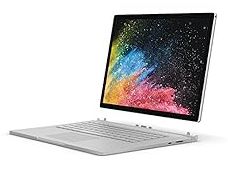
If your system does not meet the minimum requirements, you may experience long load times or delays in performing functions such as rotating or zooming in on a model.
On the other hand, having a high-performance workstation 32GB RAM with sufficient RAM and graphics capability will ensure smooth navigation through large assemblies and faster rendering times. This allows designers to work more efficiently without wasting time waiting for processes to complete.
2. Stability:
Another critical factor in understanding system requirements is ensuring stability while using SOLIDWORKS. Not meeting these specifications can result in frequent crashes or freezing of the software during use. This can be frustrating and disruptive to your workflow, especially when working on a tight deadline.
By adhering to recommended hardware configurations, you can significantly reduce these occurrences and maintain a stable environment for designing complex models without any interruptions.
Minimum system requirements for running SOLIDWORKS
Minimum system requirements for running SOLIDWORKS are essential to ensure a smooth and efficient experience while using the software. While SOLIDWORKS is a powerful 3D modeling tool, it requires specific hardware Mechanical Engineering Student and software specifications to function optimally. In this section, we will discuss in detail the minimum system requirements for running SOLIDWORKS.
Operating System (OS):
The first and foremost requirement for running SOLIDWORKS is an operating system that is supported by the software. Currently, SOLIDWORKS supports Microsoft Windows 10 64-bit, Windows 8.1 64-bit, and Windows 7 SP1 64-bit. It is recommended to have the latest service pack installed on your OS for better compatibility with SOLIDWORKS.
Processor:
The processor is one of the most critical components when it comes to running any software smoothly. For SOLIDWORKS, a multi-core processor with at least four cores is required. The minimum clock speed should be at least 3 GHz, but it’s recommended to have a higher clock speed for better performance.
RAM:
Random Access Memory or RAM plays a crucial role in how efficiently your computer can handle complex tasks like rendering and simulation in SOLIDWORKS. A minimum of 16 GB RAM is required to run SOLIDWORKS smoothly; however, having more than that can significantly improve performance.
Processor speed and type
The performance of any software is greatly influenced by the speed and type of processor it runs on. SOLIDWORKS is a powerful 3D CAD software that requires a high-performance processor to run smoothly and efficiently. In this section laptop considered we will discuss the recommended processor specifications for running SOLIDWORKS.
Processor Speed:
The first factor to consider when choosing a processor for SOLIDWORKS is its speed. The higher the clock speed, also known as frequency, the faster the processor can perform calculations and process data. SOLIDWORKS recommends a minimum clock speed of 3.3 GHz or higher for optimal performance.
Multi-core processors with multiple processing cores are more efficient than single-core processors as they can handle multiple tasks simultaneously. Hence, it is recommended to choose a quad-core (4 cores) or higher processor for running SOLIDWORKS.
Processor Type:
When it comes to choosing the type of processor for SOLIDWORKS, you have two main options – Intel or AMD. Both these brands offer processors that are suitable for running SOLIDWORKS, but there are some important factors Dedicated Video Ram to consider before making your decision.
Intel Processors:
Most users prefer Intel processors over AMD due to their strong single-core performance and better compatibility with CAD software like SOLIDWORKS. Intel Core i5 and i7 series processors are highly recommended by Default Systems (the creators of SOLIDWORKS) for optimum performance.
RAM size
The RAM size is an important factor to consider when determining the system requirements for SOLIDWORKS. Random Access Memory (RAM) is a type of computer memory that allows programs and data to be accessed quickly by the processor. In simpler terms, the more RAM your computer has, the better it can handle running multiple programs at once without slowing down.
When using SOLIDWORKS, you will likely have several other applications open such as web browsers, email clients, or even other CAD software. These additional programs use up a portion of your computer’s RAM, leaving less available for SOLIDWORKS. Therefore, it is crucial to have enough RAM to ensure smooth operation of SOLIDWORKS and prevent any potential crashes or errors.
Graphics card specifications
Graphics card specifications are an important factor to consider when determining the system requirements for SOLIDWORKS. This is because SOLIDWORKS is a graphics-intensive software that requires a powerful Screen Bubbles and efficient graphics card to run smoothly.
The primary role of a graphics card, also known as a video card or GPU (Graphics Processing Unit), is to render images and videos on your computer screen. In simple terms, it is responsible for displaying visual data by converting the digital information from the CPU into images that can be displayed on your monitor.
When it comes to running SOLIDWORKS, not all graphics cards are created equal. The performance of your graphics card will directly impact your overall experience with the software. A low-performance graphics card may result in slow rendering times, lagging while working on complex models, and even crashes.
So what should you look for in a graphics card when using SOLIDWORKS? Let’s dive into some key specifications that you need to keep in mind:
- Graphics Card Brand: First and foremost, you need to choose between two main brands – NVIDIA or AMD. Both these brands offer high-quality GPUs suitable for running SOLIDWORKS but have different architectures and features. It ultimately depends on personal preference and budget.
- Dedicated VRAM: VRAM (Video Random Access Memory) Cyber Security is the memory specifically allocated for handling visual data by the GPU. When working with large assemblies or complex models in SOLIDWORKS, having sufficient dedicated VRAM is crucial for smooth performance
Operating system compatibility
Operating system compatibility is an important aspect to consider when determining the system requirements for SOLIDWORKS. This refers to the specific operating systems that are supported by the software and will allow it to run smoothly and efficiently.
SOLIDWORKS is compatible with a variety of operating systems, including Windows, MacOS, and Linux. However, it is important to note that not all versions of these operating systems are compatible with SOLIDWORKS. It is recommended to use the latest version of any operating system for optimal performance.
The most widely used operating system for SOLIDWORKS is Windows. Currently, SOLIDWORKS supports Windows 10 64-bit Professional or Enterprise editions as well as Windows 8.1 64-bit Professional or Enterprise editions.
It also supports virtual environments such as Parallels Desktop for Mac and VMware Fusion.
Recommended system requirements for optimal SOLIDWORKS performance
SOLIDWORKS is a powerful and versatile 3D modeling software used by engineers, designers, and manufacturers all over the world. To fully utilize its capabilities, it is important to ensure that your computer meets the recommended system requirements for optimal performance. In this section, we will discuss the key components and specifications that make up these requirements.
1. Processor (CPU):
The processor is often referred to as the brain of the computer and plays a crucial role in running SOLIDWORKS smoothly. For efficient performance, it is recommended to have at least an Intel Core i5 or equivalent AMD Ryzen processor. However, if you work with large assemblies or complex simulations on a regular basis, it is advisable to invest in a higher-end processor such as Intel Core i7 or even i9 for maximum speed and efficiency.
2. RAM:
Random Access Memory (RAM) is another critical component for running SOLIDWORKS seamlessly. It acts as a temporary storage space for data that needs to be processed quickly by the CPU. The minimum recommended RAM for SOLIDWORKS is 8GB; however, we suggest having at least 16GB or more for better multitasking capabilities and handling larger files without any lag.
3. Graphics Card (GPU):
A dedicated graphics card can significantly improve SOLIDWORKS performance by offloading some of the workload from the CPU to handle complex rendering tasks efficiently. When choosing a GPU, make sure it has certified drivers for SOLIDWORKS, such as NVIDIA.
Upgrading hardware components
Upgrading hardware components is an important consideration when it comes to optimizing your system for SOLIDWORKS. The performance and efficiency of the software largely depend on the capabilities of your hardware.
In this section, we will discuss the key hardware components AMD Ryzen 7 that can be upgraded to enhance the overall performance of SOLIDWORKS.
1. Processor:
The processor, also known as the central processing unit (CPU), is responsible for carrying out all the calculations and operations in SOLIDWORKS. A faster and more powerful processor can significantly improve the speed and responsiveness of the software. When choosing a processor for SOLIDWORKS, look for one with multiple cores and high clock speed.
2. RAM:
Random Access Memory (RAM) is used by SOLIDWORKS to temporarily store data while working on a project. Insufficient RAM can lead to lagging or crashing of the software, especially when working with complex 3D models or assemblies. To ensure smooth functioning, it is recommended to have at least 16GB of RAM for SOLIDWORKS.
3. Graphics card:
A dedicated graphics card is crucial for running SOLIDWORKS efficiently as it handles all the graphical processing required by the software. A professional-grade graphics card from NVIDIA or AMD with at least 4GB of VRAM is highly recommended for optimal performance in SOLIDWORKS.
4. Storage:
Having a fast storage drive such as Solid State Drive (SSD) can greatly improve loading times in SOLIDWORKS.
Importance of maintaining a stable internet connection
The importance of maintaining a stable internet connection cannot be overstated when it comes to using SOLIDWORKS. This powerful software requires a reliable internet connection to function efficiently and effectively. In this section, we will discuss the various reasons why having a stable internet connection is crucial for using SOLIDWORKS.
- Access to Updates and Support: One of the main advantages of using SOLIDWORKS is its frequent updates and continuous technical support. These updates bring new features, bug fixes, and performance enhancements that can significantly improve your design experience. However, without a stable internet connection, you will not be able to download these updates or access technical Hacking Under $500 support when needed.
- Cloud-Based Features: With the rise of cloud-based computing, many software applications are now offering cloud-based features such as data storage, collaboration tools, and real-time rendering. SOLIDWORKS also has its own cloud-based platform called 3DEXPERIENCE which allows users to access their files from anywhere with an internet connection. Without a stable internet connection, you will not be able to take advantage of these time-saving features.
- License Management: SOLIDWORKS uses a license management system where each user must have an active license to use the software. These licenses need to be constantly verified through an active internet connection; otherwise, you may face difficulties in launching the program or even lose access altogether.